Wednesday, February 7, 2018

TSI Healthcare Awarded Top Customer Service Accolades By The Stevie® Awards For Fourth Consecutive Year

TSI Healthcare, a national leader in the sales and support of NextGen® Practice Management solutions and Electronic Health Record solutions, added to its industry achievements by being named as a top ranked customer service provider by the 2018 Stevie Awards® for Sales & Customer Service in Healthcare, Pharmaceuticals, and related industries. This year’s accolade marks the fourth consecutive year TSI Healthcare has received this most selective international award.
The Stevie Awards for Sales and Customer Service, in its eleventh year, evaluated more than 2,500 nominations from organizations of all sizes and industries worldwide. The awards seek to identify standout companies in categories that include everything from sales and corporate development to customer support.
“The 2018 judges were so impressed with the wide range of achievements detailed in the Finalist nominations,” said Michael Gallagher, president and founder of the Stevie Awards. “We look forward to announcing the Gold, Silver and Bronze Stevie placements in Las Vegas next month.”
As part of selection process, TSI Healthcare was evaluated by various expert committees on a number of factors such as customer satisfaction, industry accomplishments, and innovative programs. With a commitment to

“concierge-style” support and hand-held federal policy guidance, the company maintained a 99 percent client satisfaction rating. TSI Healthcare remains the only fully integrated EHR/PM vendor to ever earn honors in this category.
“We are again honored for this recognition by the Stevie Awards®. Our fourth year as a top performer in the category of outstanding service is the result of many key factors that distinguish our company in the healthcare IT space,” said David M. Dickson, Jr., TSI Healthcare’s founder, president, and CEO. “Since our inception in 1997, we have remained committed to a customer-centric focus that is wholly unique and clearly advantageous for each of our valued Clients.”
The official rankings (Gold, Silver, or Bronze) will be announced during a gala banquet on Friday, February 23 at Caesars Palace in Las Vegas, Nevada.
About TSI Healthcare

TSI Healthcare is the national leader in the sales and support of customized NextGen® Practice Management and Electronic Health Record solutions. The company’s solutions are designed to meet the unique needs of practices through specialty specific EHR content, top ranked service, and award winning solutions. In addition to core products powered by NextGen®, TSI Healthcare also offers Patient Portal, Population Health Management, Revenue Cycle Management, cloud hosting, and more. TSI Healthcare has approximately 200 employees and has provided services to more than 2,100 providers nationwide since its inception in 1997. For more information, visit http://www.tsihealthcare.com, or call 800-354-4205.
About The Stevie Awards

Stevie Awards are conferred in seven programs: the Asia-Pacific Stevie Awards, the German Stevie Awards, The American Business Awards, The International Business Awards, the Stevie Awards for Great Employers, the Stevie Awards for Women in Business and the Stevie Awards for Sales & Customer Service. Stevie Awards competitions receive more than 10,000 entries each year from organizations in more than 60 nations. Honoring organizations of all types and sizes and the people behind them, the Stevies recognize outstanding performances in the workplace worldwide. Learn more about the Stevie Awards at http://www.StevieAwards.com.

Friday, May 13, 2016

Denise Rachow
Government Affairs 
& Client Programs

Meet Denise

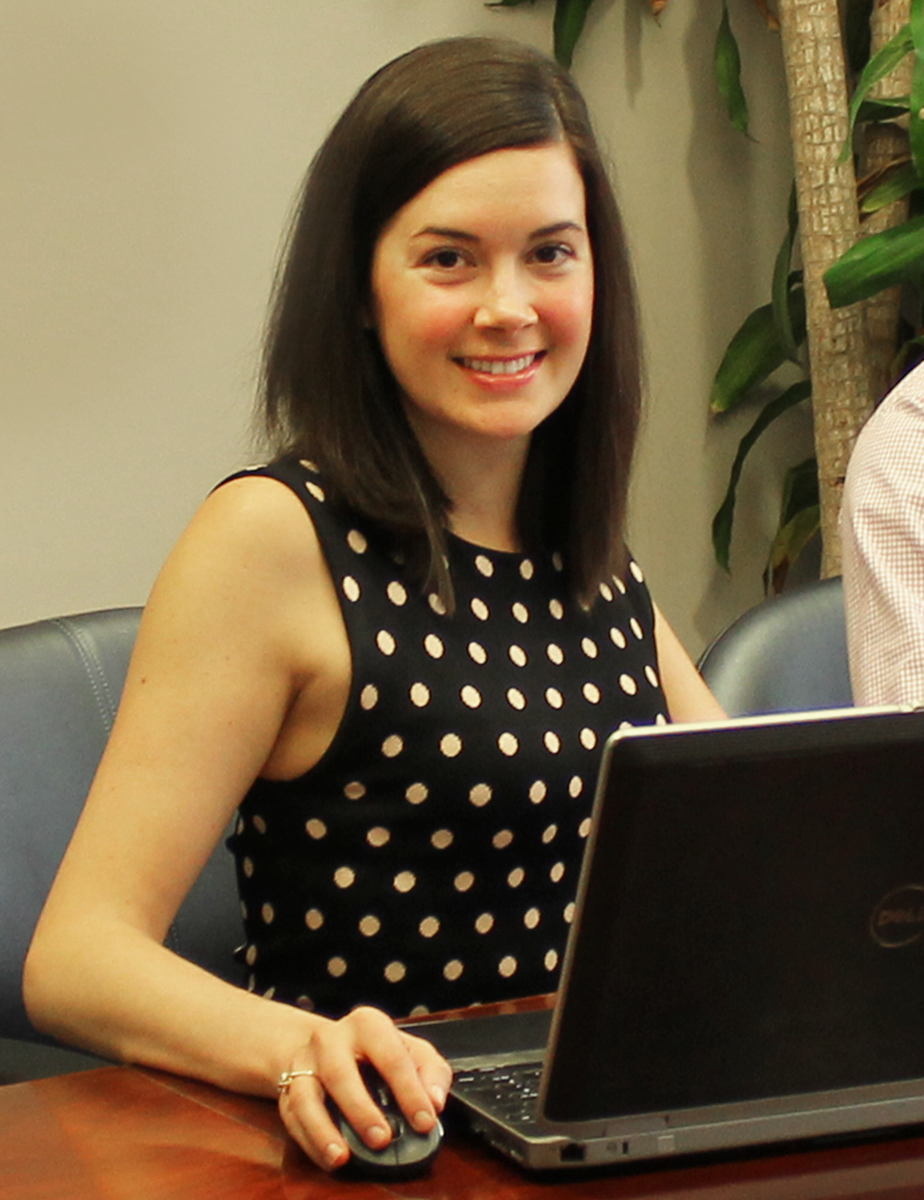
Denise, a Patient Portal Coordinator and Meaningful Use Specialist. joined our family in 2012. Denise is a knowledge expert when it comes to NextGen® Patient Portal. She has assisted more than 100 practices with Patient Portal implementation. As a member of the Government Affairs team, she is always willing to lend a hand to ensure our clients are successful.


Her Hometown:
Wilson, NC

The Most Random Item On Her Desk:
Her Aloe Plant

One Food Item She Could Live On Forever:
Pizza

Her Personal Motto/Mantra Is:
"Pay it forward. Always be happy and helpful. You never know what someone else may be going through that day at that moment, and a smile or a kind word may make their day a better day.

Her Favorite Sports Team:
North Carolina State - "Go Pack"

Why Denise loves TSI Healthcare:
"I love people and technology. I enjoy helping others understand the technology we offer and how it can make their lives at work simpler."

TSI Healthcare Top 5: Questions To Ask When Replacing Your EHR

Alerie Stiles
Client Relations Manager
TSI Healthcare® is committed to partnering with rheumatologists across the nation to deliver a user-friendly EHR that features rheumatology-specific EHR content. In our recent webinar, we revealed EHR pain points shared with us by actual rheumatologists. TSI Healthcare also provided our audience with questions to ask EHR vendors when looking for a rheumatology-specific solution.
To hear our entire webinar and download the rheumatology EHR replacement tip sheet “Top Five Questions To Ask When Replacing Your EHR,” see below. I've also included the top three pain points shared by rheumatologists during our webinar.
  1. "My EHR was clearly designed for dermatology, not rheumatology."
  2. "My providers are not documenting everything because it takes way too long."
  3. "I don't have the time or the resources to make sure my EHR company is keeping up with changes to rheumatology and federal regulations."


Friday, April 8, 2016

TSI Healthcare Ranks Number 1 Worldwide In Customer Service

TSI Healthcare Ranks Number 1 Worldwide In Customer Service


CHAPEL HILL, NC – April 8, 2016 – TSI Healthcare, a national leader in the sales and support of customized NextGen® Practice Management and Electronic Health Record solutions, added another accolade to its growing list of achievements. TSI Healthcare took home the top Stevie Award in the “Healthcare, Pharmaceuticals, and Related Industries” category at the 2016 Stevie Awards for Sales & Customer Service. This honor follows recent recognition from Black Book for top rankings in “Specialty Content” and Modern Healthcare as one of the “Best Places to Work in Healthcare.”

The Stevie Awards for Sales & Customer Service, informally known as the “Oscars” of Customer Service, are awarded to the world’s top sales, business development, contact center, and customer service teams. More than 2,100 nominations from organizations of all sizes and industries worldwide were evaluated in this year’s competition. Award recipients for other categories included Cisco, Delta, Marriott Vacation Club, and iHeart Media.

“Entries to the Stevie Awards for Sales & Customer Service continue to grow every year, further validating the essential role that customer service plays in business success,” said Michael Gallagher, president and founder of the Stevie Awards. “The judges were deeply impressed by the winner’s accomplishments and we congratulate all of the winners on their commitment to excellence and innovation.”

As part of the selection process, TSI Healthcare was judged on a number of factors, including customer satisfaction, industry accomplishments, and innovative programs. TSI Healthcare earned the top award for its commitment to “concierge-style” support and hand-held approach to healthcare reform. Amidst the far-reaching and ever evolving changes to the healthcare industry, TSI Healthcare exceeded judges’ expectations with their commitment to providing platinum-level customer service to each physician client.

“As healthcare reform continues to become more strenuous to physicians, the service teams behind the products must be exceptional,” said David M. Dickson, Jr. “This award is a testament to the culture of TSI Healthcare. We remain committed to providing each client with a complete customer service experience unmatched by anyone else and we are honored by this repeat recognition from the Stevie Awards.”

About TSI HealthcareTSI Healthcare, founded in 1997, is a national leader in the sales and support of customized NextGen® Practice Management and Electronic Health Record solutions. TSI Healthcare’s solutions are designed to meet the unique needs of specialty practices through specialty specific EHR content, top ranked service, and award winning software. In addition to core products powered by NextGen, TSI Healthcare also offers Patient Portal, Population Health Management, Revenue Cycle Management, cloud hosting, and more. TSI Healthcare’s support and service teams include NextGen Certified Professionals, clinicians, and former practice administrators. For more information, visit www.tsihealthcare.com or call 800-354-4205.

About The Stevie AwardsThe Stevie Awards are conferred in six programs: The American Business Awards, the German Stevie Awards, The International Business Awards, the Stevie Awards for Women in Business, the Stevie Awards for Sales & Customer Service, and the Asia-Pacific Stevie Awards. A seventh program, the Stevie Awards for Great Employers, will debut in April 2016. Honoring organizations of all types and sizes and the people behind them, the Stevies recognize outstanding performances in the workplace worldwide. Learn more about the Stevie Awards at http://www.StevieAwards.com, and follow the Stevie Awards on Twitter @TheStevieAwards.

###


Thursday, March 24, 2016

Client Success - Jay Salliotte

Client Success Story: Jay Salliotte


Problem: Support

"On our old [EHR] system I did everything. I had to research everything. I got very little help from our vendor."

Solution: TSI Healthcare

"TSI Healthcare has really freed up a lot of my time because I can put all of those support calls right into TSI Healthcare. I don't have to worry, I know it's in good hands."

By The Numbers:

  • 99% Satisfaction Rating
  • Stevie® Award Winner for Customer Service (2015 & 2016)
  • 80% of Personnel Focused Directly on Customer Support


Wednesday, March 2, 2016

Employee Spotlight: Nicole Carter

Employee Spotlight: Nicole Carter


.
.
Meet Nicole!

Nicole, the Manager for Value Based Services, joined our family in 2010. Nicole's organizational skills and vast knowledge of the NextGen EHR system benefit not only the Government Affairs Team at TSI Healthcare but also the many clients that she assists with Meaningful Use and other projects. Nicole was a recipient of TSI Healthcare's Outstanding Commitment to Excellence and Leadership Award in 2015.

Get to know Nicole better...

Her hometown:
Weddington, NC

Currently playing on her playlist:
Prince, DMB, Incubus

One food item she could live on forever:
Hummus

Favorite part of her job:
Helping a client who faced a lot of challenges successfully attest for Meaningful Use!

Favorite sports team:
The Ohio State Buckeyes

Why Nicole loves TSI Healthcare:
"You have the ability to grow into new roles depending on your interests!

Friday, October 17, 2014

Employee Spotlight: Kelly Giles

DSC_0320 Meet Kelly!

Kelly, the Help Desk & Quality Assurance Manager at TSI Healthcare, joined our family in October of 2011. Kelly illustrates the true essence of teamwork through her positive attitude, dedication, and commitment to excellence. She is always courteous, polite and goes above and beyond to ensure that each client request is met in a professional and timely manner. Get to know Kelly better…

Wednesday, July 2, 2014

Revealed: The Secrets to a Great Revenue Cycle Strategy, Part 2

Welcome to the 2nd installment of our 3 part series as we examine the key components to a great revenue cycle strategy. We learned in part 1 that there are no secrets to revenue cycle strategy. Instead, there are basic principles that, when properly followed either by your billing staff or your Revenue Cycle Management (RCM) services provider, will enable you to get better medical revenue cycle results.
The first three operational principles:
    1. Collect patient balances the same day of service
    2. Verify patient insurance eligibility
    3. Implement a triple clean claims scrubbing process (click here to review those principles in detail)
The next three operational principles:
        1. Remind Patients of Appointments.

          No-shows are a very costly component of any practice. According to the MGMA, most medical practices average a 5-7% no-show rate. While there are many strategies for managing no-shows, including no-show penalties, overbooking and collecting advance deposits for some specialties to name a few, the best strategy is a tailored and consistent automated appointment reminder program. Place someone at your practice in charge of measuring the effectiveness of automated appointment reminders based on timing and frequency. I’d also encourage you to request confirmation from your patients for appointments and track this. Population Health and Patient Portal are two effective systems utilized by our firm.
        2. Tracking and Preventing Claim Denials.

          Finding why your claims are getting denied, ranking them by denial code and payer, and then systematically fixing them at the source can dramatically impact both practice cash flow and operational efficiency. As is often the case, you will likely find that 20% of the denial codes account for 80% of your denials. Most claims clearinghouse solutions have this information readily available and it is just a matter of assigning the tracking and fixing of denials to a team member. Often denials result from something as simple as an incorrect referring provider number or provider linkage errors up to more complicated improper use of modifiers, etc. No matter the reason, most denials can be fixed, often by examining why they occur and fixing them at the source of your front-end processing. Clean claims rates should be in the 94-98% range.
        3. Manage Insurance Underpayments.

          Loading fee schedules and producing a regular under/overpayment report will be very beneficial in identifying any insurance underpayments and making the necessary adjustments. Setting up access to payer websites will help you gain access to these fee schedules which can often be imported by your PM System. Also producing reports which identify any time you receive payment of 100% of a payer’s allowed amount will be helpful in identifying where your fee schedule may need a bit of tweaking.
Measuring these vital operational components and then implementing an ongoing strategy toward their optimization can pay substantial dividends in today’s challenging world of increased provider demands and shrinking reimbursement.
Check back with us soon where we complete this series with a look at the final components of optimizing your revenue cycle management.
David Dyer

David Dyer

Vice President of RCM Group Services
and Business Development

Friday, June 13, 2014

Employee Spotlight: Shawn Daugherty

DSC_1523 Meet Shawn
Shawn, the Team Lead for Technical Services Group at TSI Healthcare, has been with our family for over 3 years. Sporting zombie apocalypse public service announcements at his desk, it's never a dull moment when working with Shawn. He has proven time and time again to be a valuable asset, winning awards for Above and Beyond in Quarter 1 2013, Technical Services Group MVP in 2013, and Rookie of the Year in 2012. Get to know Shawn better…

Wednesday, May 28, 2014

TSI Healthcare Turns Users into Payment Experts in Just 10 Minutes with Latest Webinar

TSI Healthcare, together with TransFirst, offers a fully integrated Payment Processing through NextGen Enterprise Practice Management (EPM) and NextGen Patient Portal.  Our recent webinar provided an overview of the solution, touching on key time and money saving points for its audience of providers, practice administrators and chief operational officers. To hear the webinar and download a pdf of the presentation, visit our Events Page. Below are a few of the Frequently Asked Questions from the webinar.


What would my merchant processing rates be with this solution?
Rates are dependent on a number of factors. TransFirst will complete a unique analysis for each client. Rates are very competitive and we can often meet or beat existing rates.


What if we don’t like the solution?
With TransFirst, there are no contract terms or early cancellation fees. If you need to cancel and return to your previous solution you only need to let us know.


Why are ACH (electronic checks) less expensive than a credit card transaction?
An ACH transaction is moving money through the banking system so the fees are typically $.25 – $.35 each. A credit card transaction has the fees assigned by that card association (ie Visa, Mastercard, etc.) and those costs are higher.


How do I learn more about TransFirst?
Call us at (800) 354-4205.


Be sure to visit our Events Page to register for additional upcoming webinars.

Friday, April 25, 2014

Employee Spotlight: Marcellus Atkins

marcellus_web Meet Marcellus!

Marcellus, an EHR Support Specialist at TSI Healthcare, consistently makes the transition to a new EHR as smooth as possible for our customers. He truly cares about how the customer feels and puts forward a real sense of urgency to solve any problems. His coworkers commend his positive and upbeat attitude, making him a pleasure to work with. Get to know Marcellus better…

Tuesday, April 1, 2014

REPOST: The Boom Continues: Dissecting HIMSS14

Health information technologies have attracted plenty of healthcare reforms that they are now a staple in every medical institution's digital services, citing the vital role they play in care coordination, patient engagement, and analytics. More insights into the rapidly evolving healthcare industry can be read here:


Image source: ehealthreporter.com

If attendance at the annual Health Information Management Systems Society (HIMSS) conference is a barometer of the state of the health IT industry, then the sector continues to grow at a rapid pace, but is starting to converge. HIMSS 2014 set a new record for attendance, with close to 38,000 participants. If that’s not significant enough, over 1,200 health related IT companies exhibited in the cavernous 50,000 square foot exhibit hall. Even some of the relatively new companies to enter the market claimed large spaces in the exhibition hall, validating the willingness of venture capital and angel investor money to both launch and fund these ventures.

This event is choreographed to display the grandeur of the health information technology revolution driving healthcare reform in America and the massive formation of the digital tools responsible for transforming the healthcare industry, all under one big top. While it could be argued that this year’s HIMSS event lacked a new dominant theme, and that the message across nearly every booth was population health management and analytics, it was clear that despite political haggling and partisan politics, health IT continues to be one of the clear winners in the transformation of healthcare.

If you think of the main exhibit hall as an ecosystem, at the apex of the food chain stood the dominant EHR providers: Epic, Cerner, Allscripts and McKesson. Emerging quickly in numbers to challenge this hierarchy are the many and adaptable population health management (PHM) companies. Deep in the peripheral tributaries of the exhibit hall were emerging raptors, small in stature this year, but positioned to evolve quickly (or die), including healthcare analytics companies, optimization consultants and care coordination platforms. The idea-to-market timeline continues to shrink for new and innovative solutions – a far cry from the decades of application theory and beta testing for electronic health records. We see this all too critical acceleration in product development as a very strong driver for continued health IT business initiatives and company launches, as well as future 3rd party investments.

What sense can we make from the maze of exhibitors, EHR vendors, PHM technology companies, health IT start-ups, clinical management technologies, and volume-driven to value-based conversion entities? Now more than ever before, there are unique and compelling opportunities for health IT business development for the immediate and long term time frames. Growth in the opportunities to apply technology and to change the business of care delivery exist, with plenty of room for expansion, which will come as the healthcare industry pivots and explores new approaches to provide comprehensive care to defined populations.

Additionally, we see a coming “applification” of healthcare; a dawning of an insatiable need for functionality, with more companies bringing forth application development programs for care coordination, patient engagement and analytics. There is a natural adaptation that will seize upon this need and work tirelessly to find that “sweet spot” for providers and payers to digitally link to patients, thus creating an umbilicus for shared health information that flows in near real-time, bi-directionally and is secure. This is on the horizon, and we can expect steps toward this reality in the very near future.

The collective message, strategy or axiom to learn from HIMSS14 is one of appreciation for the forces at work to bring about change. Make no mistake, there are many and they are of significant power to push the industry forward, rapidly. Government agencies such as CMS and the Office of the National Coordinator (ONC) are scrambling to stimulate, harness, guide and govern this phenomenon.

The question post-HIMSS14 is: In a world of declining growth in revenues from traditional RVU-based sources, how will organizations continue to pay for these needed IT support solutions that are becoming required elements of survival for healthcare providers? Early adopters of the ACO model are already seeing that the level of investment required to create the infrastructure needed to support the care collaboration is higher than expected and ongoing. Meanwhile, targets will likely become harder to hit, revenues will become more and more restrained, and simple gains in efficiencies could become harder to find.

TSI Healthcare is a leading provider of top-notch technology solutions for its partners in the healthcare industry. Visit this website to know more about its services.

Tuesday, March 25, 2014

Revealed: The Secrets to a Great Revenue Cycle Strategy, Part 1


As in all businesses, there are many challenges to effectively delivering services; Revenue Cycle Management services are no different.  Revenue Cycle Management (RCM) includes everything from verifying patient eligibility and up-front payment collection to coding, claims processing and tracking, and payment posting. There are no secrets to revenue cycle strategy, only basic principles that, when properly followed either by your billing staff or your RCM services provider, will enable you to get better medical revenue cycle results.  This will be the first in a multi-part series which will examine these principles. 

  1. Collect Patient Balances the Same Day of Service. 
     
    All specialties are unique, and each requires its own tailoring, yet the fact remains that the best receivables strategy is not to have any.  Colleting co-pays, patient balances, upfront payment plans, etc., at the time of service (or at least as much as possible), minimizes what many practices have difficulty collecting afterward.  Collect up front.  Most businesses do.
     
  2. Verify Patient Insurance Eligibility.
     
    Even some of the most advanced practices are not using this function.  Because we are a provider of services based on collections, much of which comes from insurance companies, it is important for us that we have our clients verify patient eligibility whenever possible. This can be done either before their scheduled visit or at check-in.  Follow up efforts (and costly staff resources) greatly increase when a patient’s insurance eligibility is not verified at the time of service.  
     
  3. Implement a Triple Clean Claims Scrubbing
     
    Just like quality control on a factory assembly line, it is more productive to build your claims properly the first time.  The most effective claims scrubbing involves multiple review processes, often as follows:

  1. The first scrub is performed manually by charge entry staff with comprehensive coding knowledge. The team looks at the claim to make sure proper codes are being used, the proper procedures have been ordered, and that the proper modifiers have been included, if necessary. This should be done prior to electronically submitting claims to the clearinghouse.
  2. The second scrub is performed by your Enterprise Practice Management (EPM) software.  The strongest EPM software solutions can check your claims against the similar practices in the healthcare community for potential errors before the claims are electronically submitted to the clearinghouse.  As more and more edits are accumulated, clean claim rates should continue to improve.  Any errors from this scrub should then be manually reviewed.
  3. The third scrub is performed at the clearinghouse level where claims can be cleaned up post-submission but before reaching their final destination with the payer. As with the second scrub, any errors should be manually reviewed.
     
    Implementation of these revenue cycle management principles should be followed up by inspection to ensure that they are being done properly.  The investment in time taken to make sure these processes are properly in place are well worth it.
     
    Check back soon when we pick this back up with a look at proper claims denial management processes.  
David Dyer
Vice President of

Monday, March 24, 2014

TSI Healthcare Employee Spotlight: Allie Henderson


Meet Allie!

Allie, a Special Projects Coordinator and Meaningful Use Specialist at TSI Healthcare, joined our family in May of 2012. Allie is extremely knowledgeable and her southern charm has become famous among those she assists. Her dedication and work ethic is contagious among her fellow employees. Allie was recently awarded the TSI Healthcare’s Above and Beyond Award for the 2014 first quarter! Get to know Allie better…


What’s currently playing on her ipod?
“Bruno Mars”

Her favorite hobby?
“Playing a game of pick up volleyball”

Her personal motto?
“Dream Big”

She’s happiest when…?
“Spending time with friends and family”

Why Allie  <3‘s TSI Healthcare:
“It’s a great organization where everyone works together as a team to get things accomplished!”


Monday, February 17, 2014

TSI Healthcare Employee Spotlight: David Dyer

TSI Healthcare Employee Spotlight on David Dyer


Meet David!
David is our Vice President of Revenue Cycle Services Group and Business Development. He joined the TSI Healthcare Family in October 2013. David can always be counted on for a kind word, a helping hand, or if you are lucky, a soulful tune. Get to know David a little better…
 

What are you most proud of?
“My two daughters”
 
What is your favorite hobby?
“Creating and performing music”
 
What is your personal mantra?
“Think positive, treat people like you would like to be treated, and fix things at the source.”
 
Why do you love TSI Healthcare?
“We are all family, we all evolved from the same source, and we provide a valuable service.”
 
What is the most random item on your desk?
“Steak Sauce”
 
To read more about TSI Healthcare's Revenue Cycle Management Services offerings, visit us at http://www.tsihealthcare.com/our-solutions/revenue-cycle-management/.

Monday, February 3, 2014

REPOST: Physician EHR Adoption Leaps 21% In 2013

The healthcare industry and EHR vendors were hugely successful last year with a 21 percent increase in the number of medical facilities adopting electronic health records (EHR) systems. InformationWeek.com has the full report.
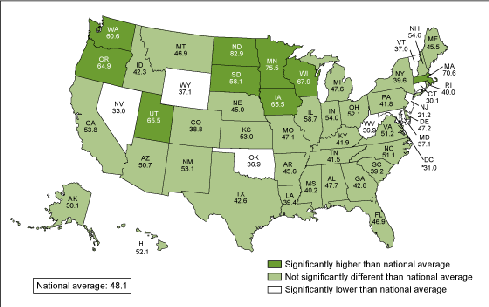
Adoption of basic electronic health record (EHR) systems by office-based physicians increased 21% from 2012 to 2013, according to an issue brief from the National Center for Health Statistics (NCHS), a unit of the Centers for Disease Control and Prevention. Last year, 48.1% of physicians had basic EHRs, versus 39.6% in 2012.

Basic EHR systems, as the NCHS defines them, include functions for patient history and demographics, patient problem lists, physician clinical notes, comprehensive lists of patient medications and allergies, computerized orders for prescriptions, and the ability to view lab and imaging results electronically.

Last year, 78% of office-based physicians used some kind of EHR (basic or otherwise), versus almost 72% in 2012, according to the brief. That means they had some kind of electronic information system used for purposes other than billing.

The Meaningful Use EHR incentive program has been driving the big increase in adoption for the past few years. The NCHS reported that in 2013, 69% of office-based physicians planned to apply or had already applied for Meaningful Use incentives, which require them to use a certified EHR system. To participate in Stage 2 of the MU program, professionals must have a system that meets the 2014 edition criteria from the Office of the National Coordinator for Health IT (ONC).

However, the NCHS found only 13% of physicians both intended to participate in the MU program and had EHR systems with the capabilities to support 14 of the 17 Stage 2 core objectives for Meaningful Use. About 56% of respondents intended to participate in the incentive program but did not have systems that could support 14 of the Stage 2 core goals. These doctors comprised about four-fifths of those planning to participate in the program.

Percentage of office-based physicians with a basic EHR system,
by state: United States, 2013. (Source: CDC)
Image Source: www.informationweek.com

The trade press has made much of these findings, but the NCHS conducted its survey from February to June of last year. Since then, ONC data shows, most leading EHR vendors have had their products certified for the 2014 edition. It's not clear how many physicians have those products, but 70% of those who attested to Meaningful Use Stage 1 use vendors that have 2014-certified systems.

"I don't think that people will necessarily struggle getting to Stage 2 because a vendor didn't provide a certified product," Rosemarie Nelson, a health IT consultant in Syracuse, N.Y., told us. "But I think there's a painful path for people to get to that vendor's certified version." Some practices will have to give up the customized templates, and there will be implementation and training issues.

Even before the recent increase in 2014 edition EHR certification, physicians were acquiring more capable systems that could meet some of the MU Stage 2 criteria, the NCHS said. From 2010 to 2013, the percentage of physicians with systems that allowed them to record patient history and demographic information increased from 74% to 83%; to order prescriptions, from 57% to 83%; to send prescriptions to pharmacies electronically, from 49% to 79%; to receive warnings of drug interactions or contraindications, from 44% to 74%; to order lab tests, from 44% to 69%; to be reminded of guideline-based interventions, from 38% to 57%; and to report to immunization registries electronically, from 27% to 39%.

The NCHS survey shows wide geographical variations in EHR adoption. In 2013, the percentage of physicians using a basic EHR system ranged from 21% in New Jersey to 83% in North Dakota. The percentage of physicians with basic systems was below the national average in Connecticut, Maryland, Nevada, New Jersey, Oklahoma, Vermont, West Virginia, and Wyoming. Adoption was above the national average in Iowa, Massachusetts, Minnesota, North Dakota, Oregon, South Dakota, Utah, Washington, and Wisconsin.
Established in 1996, TSI Healthcare provides practice management and EHR solutions to its clients. Visit this website for more information on technological healthcare systems.

Thursday, January 23, 2014

REPOST: 6 Ways To Use Social Media in Healthcare

Shannon Dauphin Lee of HITConsultant.net discusses a few ways that social media can be incorporated into healthcare to help broadcast information about healthcare professionals and their practice.
Image Source: www.hitconsultant.net
Social media has taken the world by storm and it’s much more than a way to share painfully adorable pictures of kittens — it’s also a way of finding and sharing valuable information. According to the Pew Internet and American Life Project, 72 percent of Internet users say they looked for health information online in the past year. When a serious health issue arose, patients trusted the doctors most of all, with 70 percent of them going to their doctor or other healthcare professional for answers.

That trust in doctors, hospitals and nurses extends to the virtual world. A 2012 Pricewaterhouse Coopers consumer survey found that 60 percent of respondents in all age demographics would trust information posted online by their physicians, and 55 percent would trust information posted online on behalf of their hospitals. Sharing goes both ways: Almost a quarter of all respondents would be happy to share their own take on health issues, experiences, medications and medical treatment online.

The numbers make the story clear: Hospitals, physicians and other healthcare professionals can reach more patients by becoming engaged in social media.

How to use healthcare social media

How can those new to social media make the various opportunities work for them? These six ways to use social media in healthcare can help get the word out about healthcare professionals and the services they provide.

  1. Tweet it out. In a fast-paced world, messages of 140 characters or less are well-received. Keep your Twitter account active and relevant by passing on links to interesting journal articles, newsworthy tidbits and “did you know” snippets of health trivia. Remember to always respond to tweets and retweet any worthwhile information.
  2. Tell it on a blog. Blogs that reach a specific target audience and deliver pertinent information can give your personal and professional brand a big boost. Popular health blogs include those that offer new updates on health issues or common-sense solutions to health problems. Capture readers with a mixture of information and humor, the way many anonymous doctors and nurses do on their blogs, and you might see your readership skyrocket.
  3. Show your stuff. The Mayo Clinic currently has the most popular medical provider channel on YouTube, according to SocialMediaToday. How did they do it? By delivering videos on everything from what to expect from medical procedures to how to understand certain medical conditions. New videos are posted almost daily, which means the content is always fresh and new.
  4. Make time for Facebook. One of the most popular gathering sites on the Web, a Facebook account is a must for any savvy social media initiative. Facebook can allow you to tap into a ready-made community of individuals who want to learn more about health, medical conditions and new research. Best of all, in-depth conversations can be sparked in the comments section, giving providers and patients a chance to interact in a meaningful way.
  5. Talk it out with podcasts. Not everyone has the time to wade through medical journals or scholarly reports. Podcasts allow you to showcase your knowledge, answer general medical questions and focus on concerns that your target audience wants to learn more about. Podcasts are also a great way to break down complicated information so that anyone can understand it, a move that could make tired and worried minds very grateful.
  6. Pin it. It’s not just a site dedicated to crafts and cute babies. Pinterest is filled with all sorts of helpful things, and one of those is the health and fitness board, complete with inspirational pictures and links to everything from new exercise routines to healthy diets to serious discourse on other health-related issues. (But be warned, busy healthcare professionals: Pinterest can be a delightful time-sucker like no other.)
Best of all, these social media outlets can all work with each other to create a cohesive online presence. By making more information about yourself available with only a few clicks, patients can get a very comprehensive picture of who you are, what you do and the kind of assistance they can receive from you.

A few cautions
Chances are you’ve already been using the Internet for networking and researching in your capacity as a healthcare professional and don’t need to be reminded that what happens on the Internet, stays on the Internet — forever. Decide on a few key points before you post, tweet or like. Are you comfortable with posting personal information, such as religious or political beliefs? Are you okay with patients being able to contact you online? If you have any qualms about mixing your personal life with your professional one, create strict rules about maintaining both a personal and professional profile online.

Finally, don’t forget about privacy laws. Discussing any patient online — even a fictional patient whose case is a bit too close to fact — can land you in hot water with employers, patients, regulatory bodies and even the law. When posting online, steer clear of anything that might appear inappropriate or flirt with any professional boundaries. In short, never share something online that you might one day regret.


TSI Healthcare is a leading information technology solutions provider for healthcare systems. Visit this website for more on the company and its services.

Saturday, November 30, 2013

REPOST: Part-Time Workers With Minimal Health Coverage Get New Options

Mini-medical plans became attractive to small business owners due to their relative affordability. However, with the healthcare reform the government is currently pushing, these types of coverage may no longer be available to low-wage and part-time workers. These employees are likely to be given better healthcare coverage.


But maybe not the insurance. | Karl Dolenc/iStockphoto
Image source: npr.org


In January, part-time workers who have so-called mini-med health insurance plans with very limited benefits and annual caps on payments will begin to lose that coverage.

Under the health care overhaul, they can't be renewed after the beginning of the year. For some, that may be just as well. Part-timers likely will have better options in January.

Mini-med plans, often favored by retailers and restaurants with lots of low-wage and part-time workers, generally provide an extremely limited range of benefits, and total coverage may be capped at just a few thousand dollars a year.

After the Affordable Care Act passed in 2010, nearly all plans were required to eliminate lifetime and annual dollar limits on benefits. But some businesses that offered mini-med plans said that if they had to conform to the new rules, they would drop the plans. Their workers would lose what little protection they had.

Some employers received waivers from the Department of Health and Human Services that permitted them to continue offering the limited plans temporarily. Starting in January, they can't offer plans that have annual benefit caps, although some large employers may still offer plans with limited benefits.

When Roberta Grindle was diagnosed with colon cancer in October, she blew through the $5,000 coverage limit on her mini-med plan almost immediately. Grindle, 62, worked 16 hours a week at a big-box store near her home in Sebring, Fla., and paid $32 every two weeks for the store's plan, the only coverage available to part-time workers.

She woke up with severe pain in her lower abdomen one morning and drove herself to the emergency room. Doctors suspected a ruptured appendix, and while performing emergency surgery discovered a cancerous tumor in her colon.

Grindle needs a second surgery to remove the tumor but has had to delay it until she recovers from an infection.

She says she doesn't know how she'll pay for her medical care, but it's certainly not going to be with the coverage she had on the job. "I have no idea what exactly it covered, but clearly not much of anything," she says. "I would have been better off without it."

Most employers don't offer part-timers any coverage at all. Only a quarter of companies that offered employee health insurance made coverage available to part-time workers in 2013, according to the Kaiser Family Foundation's annual employer health benefits survey. (Kaiser Health News is an editorially independent program of the foundation.)

When they do offer health insurance, the coverage is often not equivalent to that available to full-time workers.

Existing plans are "not going to be super robust," says Tracy Watts, a senior partner at human resources consultant Mercer. "Part-timers might be offered access to full-time benefits but have to pay more for them, or might not be eligible at all and just get a mini-med plan."

The health law requires that employers offer health insurance to employees who work at least 30 hours a week or face penalties starting in January, but the Obama administration delayed that provision until 2015. With the delay, speculation over whether employers would reduce workers' hours in order to avoid penalties has subsided, at least for now.

Many part-time workers will have more options for better coverage starting in January. If their employer doesn't offer a health plan, they can shop for insurance on the online marketplaces, and subsidies will be available to those with incomes up to 400 percent of the federal poverty level ($45,960 for an individual in 2013).

If they do have access to coverage on the job, part-timers can still shop on the exchanges, but they'll only qualify for subsidies if the job-based insurance costs more than 9.5 percent of their family income or pays less than 60 percent of medical costs, on average.

In addition, part-timers may be eligible for Medicaid if they live in a state that's expanding coverage to adults with incomes up to 138 percent of the federal poverty level ($15,856 for an individual in 2013). The health law requirement was made optional following a Supreme Court challenge; half of the states have so far opted to expand eligibility.

As for Grindle, Medicaid isn't likely an option since Florida hasn't expanded coverage. She and her husband, who's 67 and on Medicare, have a combined income of $2,270 each month, about 175 percent of the federal poverty level of $15,510 for a couple in 2013.

With a premium subsidy, Grindle can buy a silver plan on the exchange for about $118 a month, according to Laurel Lucia, a policy analyst with the Center for Labor Research and Education at University of California, Berkeley.

Though more expensive than the roughly $70 a month Grindle paid for her mini-med plan, "the coverage would definitely be better than the mini-med they had," says Lucia.

Grindle says she plans to apply for coverage on the marketplace soon. As for the bills she's racking up now, she's been talking with the hospital to see what can be done.

"I'm just not letting it get me down," she says. "I'm just going to put the bills in a file. What can you do? It's a shame, because we've had excellent credit all our lives."

TSI Healthcare is committed to providing customized IT solutions for healthcare practices. For updates on EHR and other IT systems, visit this website.

Wednesday, October 30, 2013

REPOST: Registries playing catch up with Stage 3

Anthony Brino, a contributor to healthcareitnews.com, reveals how many medical practices have to speed up the drive toward reliable public health registries and discusses the implications and questions surrounding it.

Although meaningful use visionaries are hoping to advance the cause of robust public health registries as part of the program's Stage 3, widespread, seamless public health data exchange still has a ways to go.

Among several meaningful use Stage 3 issues discussed by stakeholders charged with advising the Health IT Policy Committee, advanced case reporting to both public health agencies and specialized disease registries is striking some as overly ambitious and potentially impractical.

Image source: gigaom.com
he Meaningful Use Workgroup is trying to align Stage 1 and 2 objectives and Stage 3 requirement recommendations with Stage 3 goals, such as for case reporting -- "efficient and timely means of defining and reporting on patient populations to identify areas for improvement," and data sharing with public health agencies.

Workgroup members, such as Art Davidson, MD, informatics director at the Denver Public Health Department, are looking to use meaningful use Stage 3 to move public health reporting forward, with potential case reporting to a greater variety of registries, including for cancer, children with special needs, chronic diseases, relying on an EHR that’s able to build and send standardized reports to external mandated or voluntary registry and maintain an audit of them.

"A big question is can public health agencies accommodate this?" said Paul Tang, MD, chief information and technology officer at the Palo Alto Medical Foundation, and chair of the Meaningful Use Workgroup.

Some could but others probably couldn’t without encountering standardization problems.

Image source: forerunsystems.com
"The field is not solidified on how to collect data," Davidson said. There are 50-plus public health jurisdictions across the country managing data with standards different than the International Society for Disease Surveillance standards that the ONC is suggesting, he noted.

Davidson said members of the Health IT Standards Committee were working on modelling a way to coalesce all of the jurisdictions together on a site that provider EHRs could use to customize case reporting at the regional level. Essentially agencies would list their jurisdiction and related standards on an external site that an agency like the Centers for Disease Control and Prevention could possibility host.

As Tang pointed out, that host site doesn’t exist now. "Seems like a heavy lift," Tang said. "I think for Stage 3 it’s premature."

"I understand that this is a push or a heavy left," Davidson said, but he added that there’s been support for advancing case reporting among standards and interoperability stakeholders. "I would at least like to hear back from the Standards Committee."

Image source: altushms.com

"The field is not solidified on how to collect data," Davidson said. There are 50-plus public health jurisdictions across the country managing data with standards different than the International Society for Disease Surveillance standards that the ONC is suggesting, he noted.

Davidson said members of the Health IT Standards Committee were working on modelling a way to coalesce all of the jurisdictions together on a site that provider EHRs could use to customize case reporting at the regional level. Essentially agencies would list their jurisdiction and related standards on an external site that an agency like the Centers for Disease Control and Prevention could possibility host.

As Tang pointed out, that host site doesn’t exist now. "Seems like a heavy lift," Tang said. "I think for Stage 3 it’s premature."

"I understand that this is a push or a heavy left," Davidson said, but he added that there’s been support for advancing case reporting among standards and interoperability stakeholders. "I would at least like to hear back from the Standards Committee."

Eventually, those registries are going to have to be able accommodate more reporting. "This could be the nudge for those registries to standardize," said Neil Calman, MD, president of the Institute for Family Health and chair of the family and community health department at the Mount Sinai medical school.

Davidson is checking with members of the HIT Standards Committee, and the workgroup will be taking up this and other issues during meetings in November, before making recommendations to the Health IT Policy Committee on Dec. 4.

TSI Healthcare is committed to providing technology solutions to healthcare practices. Visit this website for more updates.


Tuesday, October 1, 2013

REPOST: Using Technology to Reduce Hospital Admissions for COPD Patients

Part of the cost healthcare is the money spent on commuting to and from the hospital.  With the use of today's technology, both the patient's money and time can be saved by "telediagnosing" and monitoring patient conditions remotely.  This article from Science Daily talks about a program developed in Norway which aims to provide patient support via a tablet app.
Patients can use tablet computers to report their daily condition. Hospitals can pick up early symptoms, take action and thereby reduce admissions.
Norwegian patients are currently testing a system using tablet computers and a customised app developed by SINTEF. The aim is to prevent sudden dips in the patient's medical condition and exacerbations of the disease. (Image source: Science Daily)

Product designer Jarl Reitan and his colleague Silje Bøthun are working on a preventative project for patients with advanced COPD. Five patients from Trondheim are currently testing a system using tablet computers and a customised app developed by SINTEF. "The aim is to achieve a closer dialogue between the patient and the support services, prevent sudden dips in the patient's medical condition and exacerbations of the disease."
Digital reporting
Using the app, patients submit a simple daily report to St. Olav's Hospital, which receives the data about their current condition. Patients describe their general daily condition using simple, self-explanatory response options such as "good" or "bad." They can also telephone the monitoring centre from their tablet if they need to talk to someone. The municipality is also working on setting up an emergency medical centre to act as a call centre for the chronically ill. This centre will collect all the data reported by patients from their own homes, and will be able to follow up any patients that require attention. Since patients report their condition on a daily basis, and these data are analysed by the medical centre, patients do not need to worry that any exacerbations will not be picked up.
Repeated hospitalizations
At the moment, COPD patients require frequent hospitalizations.
Clinic Manager Anne Hildur Henriksen of the Clinic for Thoracic Medicine at St. Olav's Hospital says that many patients with advanced COPD end up in hospital because of an acute exacerbation of their condition. She refers to a Scandinavian study which found that the average length of stay of these patients was 8.6 days each time, and that 13% of the patients are admitted more than twice a year.
Tablet is the right medium
The tablet computer was chosen as a medium because the tool is not associated with a stigma, and has many different applications. Many of the current aids send the opposite signal; with their large buttons and unusual design, they stand out in a patient's living room. Tablets can be used by grandchildren when they come to visit, and the idea is also for the tablet to provide access to written information, videos and tutorials for patients.
"Providing the user with knowledge about the disease is a major part of the project, and will be incorporated into any future system. We want to help people with COPD to learn about their own disease -- this will give them a better overview and more control," explains Silje Bøthun. "That is why it is important for the patients to use the media over an extended period. We have loaded the tablets with games like cabal, and received enquiries about Facebook and yr.no. We also have to make the app interesting enough that people will use it."
What information is required?
The next step for the researchers is to work with the company Imatis to improve the technical aspects of the product, and to work with the users to improve its content.
"We need to find out what the patients think about the reporting tool, so that we can evaluate it. We are also working closely with the hospitals and municipalities, to find out what THEY need to know. The information that the patients need to pass on is not necessarily the same as that required by the hospital," says Bøthun. COPD patients currently report to the specialist health services or hospital, but the municipalities will soon be taking over this service.
Jarl Reitan believes that the municipalities probably do not have the expertise required to be able to make decisions about any action that may be needed, and that the new scheme will require good communication between the municipality and the hospital. "The municipalities' emergency medical centres can share the computer screen with the hospitals if they need to, and staff there can examine the material in more detail and determine what treatment may be needed," he says.
Municipalities are interested
At the moment, the municipalities of Trondheim and Bærum are leading the way in testing out this welfare technology, but Stavanger has also joined in -- and "border" municipalities such as Bergen and Kristiansand think that the project is interesting and would like to be part of it at a later stage. The idea is for patients' data to be made easily available to their doctors and to the hospitals' lung departments. This will enable them to more actively monitor the course of their patients' disease, and will give them more options for communication and inter-departmental resource utilisation. "Communication between patients and the health services is a problem that is not just limited to people with COPD. This project has therefore received a great deal of attention, and we were recently mentioned in a new Report to the Storting," relates Jarl Reitan of SINTEF.
Medical software helps to bridge the gap between patients and access to health care, but it is most effective when integrated into the whole practice rather than just one doctor-patient exchange. TSI Healthcare offers award-winning technology, implementation support, and specialized training to meet a practice’s needs. Read more on this Facebook page.